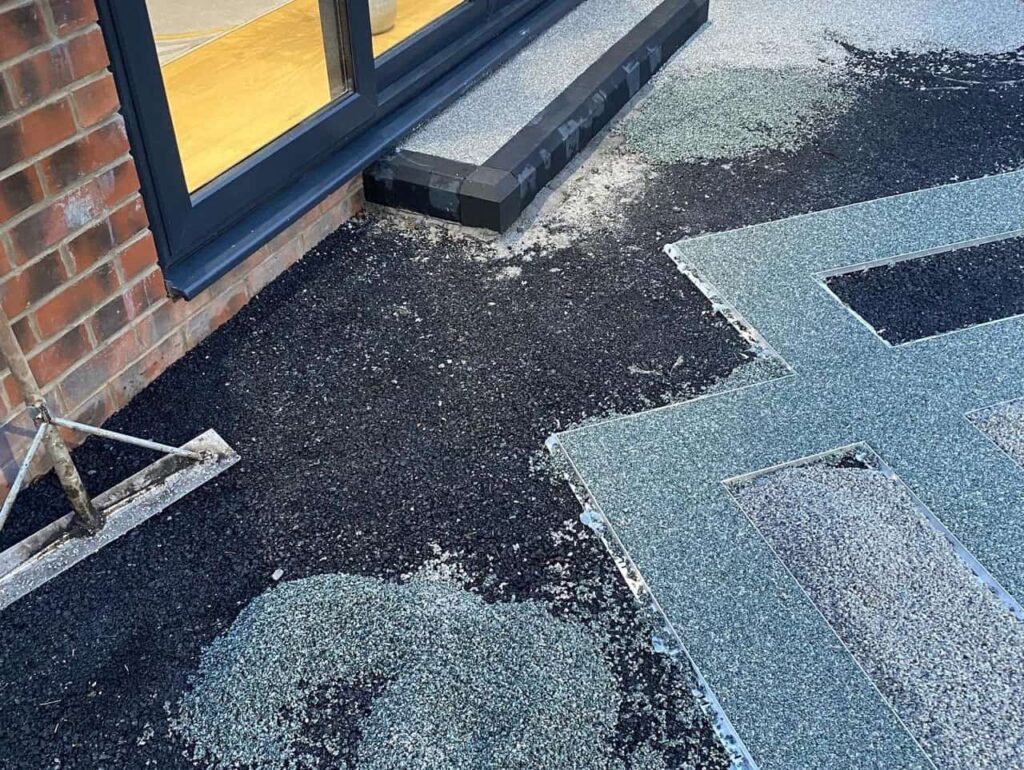
An old garden path can gradually become one of the least practical parts of an outdoor space. Cracked surfaces, loose materials, uneven sections and persistent deterioration can make a path look tired while also making it less comfortable to use. When the time comes to replace it, choosing the right new surface can significantly improve both the appearance and everyday functionality of the garden.
Resin-bound surfacing is worth considering because it creates a smooth, attractive and highly adaptable finish that can work particularly well for residential paths. For homeowners in Doncaster, South Yorkshire, a professionally installed resin-bound path can provide a clean transition between different outdoor areas while refreshing the appearance of the wider property.
At Doncaster Resin Driveways, we install resin-bound surfaces with careful attention to preparation, drainage, levels and finishing details, ensuring the completed path is designed to perform as well as it looks.
What Is a Resin-Bound Path?
Resin-bound surfacing is created by thoroughly mixing selected aggregates with a specialist resin before the material is laid onto a prepared base.
Because the stones are coated and bound together, the finished surface is different from loose gravel. Instead of individual stones moving beneath your feet, the aggregate forms a firm and consistent surface.
This makes resin bound particularly suitable for paths where homeowners want a decorative aggregate appearance without the inconvenience of loose material spreading into surrounding areas.
A Smooth Surface Can Make the Path Easier to Use
Older paths frequently develop irregularities through years of use and weather exposure.
Depending on the existing material, homeowners may notice:
- Cracked sections
- Loose stones
- Uneven joints
- Sunken areas
- Surface deterioration
- Awkward transitions between different levels
Replacing the old path with professionally installed resin bound can create a much smoother and more consistent walking surface.
For paths that are used every day to move between entrances, gardens and other outdoor areas, this improvement can make a noticeable difference.
Resin Bound Works Well with Curved Paths
Garden paths do not always follow straight lines.
Some need to curve around lawns, planting areas or established landscape features. Because resin bound is laid as a continuous surface, it can be shaped to follow many different layouts.
This provides useful design flexibility when replacing an existing path that has:
- Sweeping curves
- Changing widths
- Unusual corners
- Connections with patios
- Established planting alongside it
- Irregular garden boundaries
A carefully designed route can make the path feel like an intentional part of the garden rather than simply a way of getting from one area to another.
It Creates a Clean, Seamless Appearance
One of the most noticeable characteristics of resin-bound surfacing is its continuous finish.
There are no individual paving blocks dominating the design, allowing the aggregate itself to provide much of the visual interest.
For an old path made up of mismatched repairs or deteriorated materials, replacing it with a consistent resin surface can immediately make the surrounding outdoor area appear more organised.
A Choice of Aggregate Finishes Provides Design Flexibility
The appearance of a resin-bound path can be adapted through the selection of aggregate.
Different combinations provide variations in:
- Colour
- Stone size
- Texture
- Overall character
This makes it possible to select a finish that complements the property, surrounding garden and other hard landscaping.
Rather than treating the path as an isolated feature, it can be designed to work visually with the wider outdoor environment.
Resin Bound Can Connect Different Outdoor Areas
A well-designed path should create a natural connection between different parts of a property.
It might link:
- An entrance with the garden
- A driveway with a side access route
- A patio with another garden area
- Different sections of landscaping
Using resin bound can create visual continuity throughout these routes.
Where resin surfacing is already present elsewhere on the property, using a complementary finish for the path can make separate outdoor areas feel more connected.
Defined Edges Create a Neat Finish
Edging is an important part of a well-installed resin-bound path.
Clear boundaries help define the shape of the path and provide a controlled edge where the resin meets lawns, borders or other surfaces.
Carefully chosen edging can also become part of the design itself, providing subtle contrast and helping the path stand out against surrounding planting.
Good Drainage Begins with Proper Planning
Water management should be considered whenever an old path is replaced.
Poorly planned paths can develop puddles or direct water towards unsuitable areas. Before new resin is installed, existing levels and drainage conditions should therefore be assessed.
The permeability of a resin-bound system depends on the complete construction beneath it, not simply the visible resin surface.
Professional installation considers:
- The supporting base
- Existing ground conditions
- Surface levels
- Surrounding landscaping
- Connections with adjoining surfaces
- The intended drainage arrangement
This helps ensure that the new path functions as a properly designed surface rather than simply covering the old one.
The Existing Path May Need More Than Resurfacing
It can be tempting to assume that resin can simply be applied over any existing path.
However, the quality of the supporting surface is fundamental to long-term performance.
If an old path has extensive cracking, movement or sinking, these defects should be investigated before a new surface is installed. Applying resin over an unsuitable base does not correct instability underneath.
Depending on the condition of the existing path, preparation may involve removing deteriorated materials and constructing an appropriate new foundation.
Preparation Has a Major Influence on Durability
The finished resin may be the visible part of the installation, but much of the quality is determined before it is laid.
A professionally prepared path requires attention to:
- Excavation where necessary
- Base stability
- Compaction
- Finished levels
- Drainage
- Edge restraints
- Connections with adjoining surfaces
These details help create the stable foundation required for dependable long-term performance.
Resin Bound Can Refresh the Wider Garden
Replacing a deteriorated path can have a greater visual effect than homeowners sometimes expect.
Paths often travel through substantial sections of a garden. When the surface becomes worn, it can make the surrounding landscaping appear less maintained even when lawns and planting remain attractive.
A new resin-bound path introduces a clean surface that can provide stronger definition between planted and hard-landscaped areas.
As a result, replacing the path can refresh the appearance of the wider garden without requiring every outdoor feature to be changed.
It Can Reduce Problems Associated with Loose Surfacing
Loose stone paths have their own distinctive character, but they can require regular attention where aggregate moves beyond the intended route.
Resin-bound aggregate remains fixed within the surface, which means homeowners do not have the same problem of continually redistributing loose stones.
This can be particularly useful where the path sits directly beside:
- Lawns
- Planting beds
- Doorways
- Other paved surfaces
The defined surface helps maintain a tidier separation between different garden areas.
Why Professional Resin Installation Matters
A resin-bound path is only as successful as the preparation and installation beneath it.
Problems with the base, unsuitable levels or poor edge detailing can compromise an otherwise attractive surface. Professional installation therefore considers the complete construction rather than focusing only on the final resin layer.
At Doncaster Resin Driveways, we provide professional resin-bound driveway and pathway installations throughout Doncaster, South Yorkshire. We assess existing surfaces carefully and prepare each project according to the individual site, helping create resin paths that combine appearance with practical everyday performance.
Is Resin Bound Right for Every Old Path?
Resin bound offers many advantages, but the appropriate solution depends on the individual property.
Before replacing an old path, it is worth considering:
- How frequently the path is used
- The condition of the existing foundation
- Drainage requirements
- Surrounding landscaping
- The desired appearance
- How the path connects with other surfaces
A professional assessment can determine the preparation required and whether resin bound is suitable for the particular location.
Conclusion
Resin bound is worth considering when replacing an old path because it combines a smooth walking surface with considerable design flexibility. It can follow curved layouts, create clean connections between different garden areas and provide the attractive appearance of natural aggregate without the movement associated with loose stone.
The quality of the result, however, depends on much more than the resin itself. Correct preparation, stable foundations, suitable edging, appropriate levels and carefully considered drainage all contribute to the performance of the finished path.
For homeowners in Doncaster, South Yorkshire, Doncaster Resin Driveways can assess an ageing pathway and provide a professionally installed resin-bound solution suited to the individual outdoor space. If your existing path has become worn, uneven or visually dated, replacing it with resin bound can be an effective way to create a smarter and more practical route through your property.
Call us on: 01302 490898
Click here to find out more about Doncaster Resin Driveways
Click here to complete our contact form and see how we can help with your driveway needs.